Protecting brand colours: Why repro holds the key to print perfection
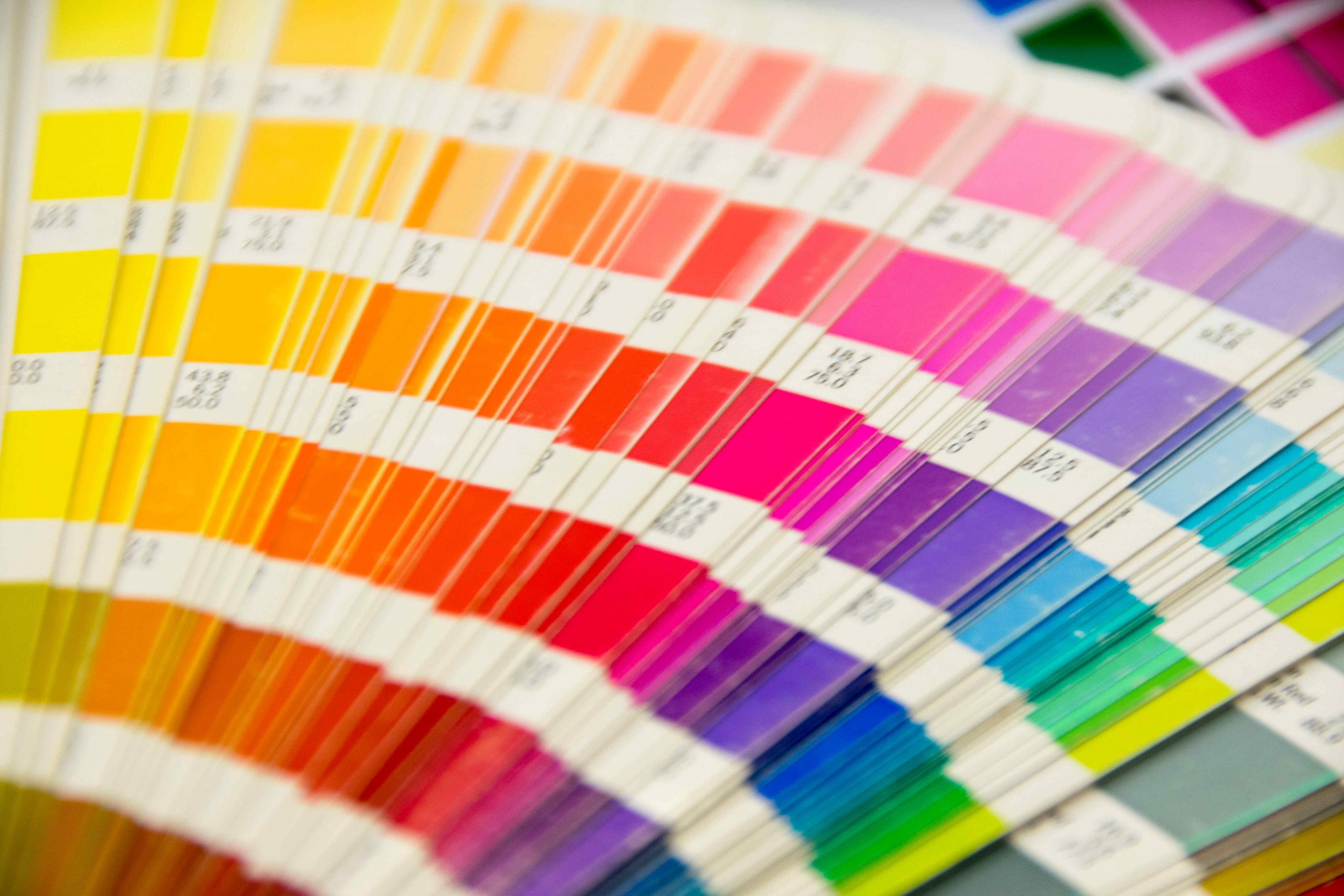
In an ever-more crowded retail environment, brand recognition happens in milliseconds.
That signature red, that distinctive blue, that carefully crafted colour palette, these are not just aesthetic choices, they’re assets that your brand customers are counting on you to protect across multiple substrates and print formats.
Yet colour variation remains one of the most common challenges in packaging production. Accuracy matters, so it’s down to printers and converters to pin down consistent, reliable results for even their most discerning customers, every single time.
The stakes are high
The human eye contains millions of photoreceptors, making it remarkably sensitive to colour variation. Effective use of colour is shown to boost brand recognition by up to 80%, so naturally when consumers see colours appearing slightly off, even if they can’t articulate why something feels wrong, trust begins to erode.
Think of iconic brand colours: Coca-Cola’s red labelling, the hot coral of Monzo stationery, or the cyan blue of Brewdog packaging. These colours work in isolation because they’re consistent, and instantly identifiable as a result. When a colour shifts even slightly across packs or substrates, it undermines trust and recognition that brands spend years – and many millions of pounds – building.
For printers, this translates into clear commercial reality. Delivering inconsistent colours damages the brand’s reputation and gives products a cheap, off feel. Off-brand colours can render entire print runs unusable and, in today’s sustainability-focused market, that waste carries both financial and environmental costs that ultimately affect your relationship with your brand customer.
Common causes of colour variation
Achieving consistent colour across packaging formats isn’t straightforward. Multiple factors can introduce variation that affects how a brand’s products appear on shelf:
Substrate behaviour is perhaps the most significant challenge. Different materials absorb and reflect light differently, which means the same ink formulation will appear differently on paper labels, flexible film, or folding carton. What looks perfect on coated stock may appear dull on uncoated board; a challenge printers face when brand customers require consistency across their entire product range.
Ink characteristics play a crucial role too. Viscosity, pigment concentration, and ink chemistry all affect how colour translates from plate to substrate. Environmental factors like temperature and humidity can also influence ink behaviour during production.
Press variables introduce another layer of complexity. Impression pressure, anilox specifications, and press speed all impact ink transfer and, consequently, colour reproduction. Even small variations in these parameters can create noticeable colour shifts, particularly during long production runs.
Dot gain, where printed ink dots appear larger than intended, is a natural phenomenon in flexographic printing that must be anticipated and compensated for during prepress. Without proper management, dot gain causes colours to appear darker and less crisp than specified.
How expert reprographics ensures consistent colour
Professional reprographics removes the guesswork from colour management through systematic, technical precision.
Advanced colour management platforms go far beyond what the human eye can achieve. Creation employs sophisticated next-generation systems from GMG and Esko that measure colour spectral data, create accurate ICC profiles, and simulate print results before production begins. This scientific approach ensures colours convert accurately across different substrates and printing methods.
Proofing and calibration establish a reliable baseline. By creating press-specific colour profiles and compensation curves, reprographics specialists can predict and counteract variables like dot gain before they affect print quality. This proactive approach means issues are resolved in prepress, not discovered on press, disrupting production.
High-quality flexographic plates are fundamental to consistent colour reproduction. Water-washable plates like Fujifilm Flenex FW deliver sharper dot definition, better ink transfer, and more stable performance across long runs. The improved dot stability reduces unwanted colour variation and delivers cleaner, more predictable results.
The sustainability advantage
Accurate colour management isn’t separate from sustainability, it’s intrinsically linked. Every print run that fails to meet your brand customers’ standards represents wasted substrate, wasted ink, wasted press time, and unnecessary carbon emissions.
When reprographics is handled correctly from the outset, these costly disruptions are prevented. Files are optimised before production begins, colour accuracy is locked in through proper profiling, and the risk of expensive reprints that damage both your margins and your brand customer relationships is dramatically reduced.
Extended colour gamut printing (also known as fixed colour palette) takes this further by eliminating multiple spot colour inks in favour of a fixed CMYK or CMYK/OGV palette. This reduces ink inventory, cuts changeover waste, and simplifies colour management – all while maintaining the colour accuracy your customers demand.
Making colour accuracy simple
At Creation, we’ve spent nearly two decades mastering colour management for UK packaging and label printers. We understand that colour accuracy is much more than just a technical challenge to overcome, it’s about protecting brand equity, preventing waste, and ensuring you can confidently meet even the most exacting standards.
Our scientific approach to colour measurement and control ensures maximum consistency across any substrate and printing process. We use advanced spectral tools for precise colour monitoring, employ sophisticated compensation strategies for different press conditions, and supply water-washable flexo plates that deliver stable, repeatable performance.
For printers under pressure to deliver flawless colour across increasingly complex packaging requirements from demanding brand customers, partnering with a specialist reprographics provider removes the variables that compromise quality. It means brand colours remain true regardless of substrate, production runs stay on schedule, and waste is minimised at every stage.
Colour accuracy has always mattered. But in today’s market, with tighter brand tolerances, faster turnarounds, and heightened sustainability expectations, getting it right has never been more important.
Ready to strengthen your colour management? The Creation team brings technical precision, advanced technology, and decades of packaging expertise to every project.
Talk to the Creation team today to discover how expert reprographics can transform your colour consistency.